As regulations continue evolving, businesses can no longer rely on manual accounting systems or disconnected invoicing tools. Companies today require centralized ERP systems that automate accounting, invoicing, inventory, procurement, and reporting while ensuring compliance with UAE tax laws.
ERP integration helps organizations streamline operations, reduce reporting errors, improve financial visibility, and prepare for the UAE’s growing e-invoicing framework. Businesses investing in ERP integration solutions are positioning themselves for long-term operational efficiency and digital compliance.
Understanding FTA Compliance in UAE
FTA compliance refers to the financial and tax obligations businesses must follow under UAE regulations. These requirements are designed to improve transparency, reduce tax errors, and create a more digitally connected financial environment.
Businesses are required to maintain accurate VAT records, issue tax-compliant invoices, and preserve financial data for audits and reporting purposes. Companies that fail to maintain proper documentation or generate compliant invoices may face penalties, reporting delays, and operational disruptions.
With the UAE moving toward structured electronic invoicing systems, businesses must now adopt technologies that support automated tax reporting and secure digital invoicing.
Some of the major compliance requirements include:
- VAT-compliant invoicing
- Accurate tax calculations
- Secure financial recordkeeping
- Proper invoice sequencing
- Audit-ready documentation
- Digital transaction tracking
This is why ERP systems are becoming a core requirement for businesses operating in the UAE.
What is ERP Integration for UAE E-Invoicing?
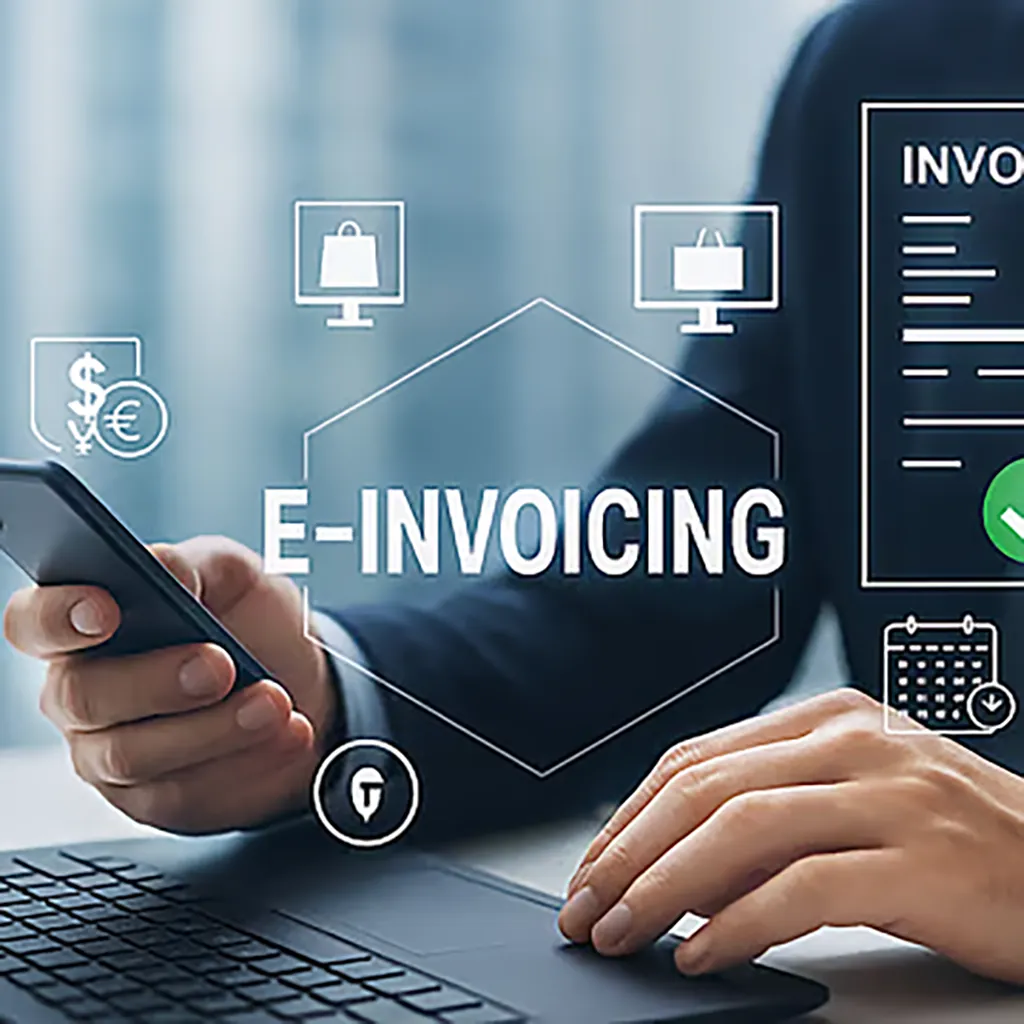
ERP integration connects multiple business departments and processes into a centralized system. Instead of managing accounting, inventory, procurement, payroll, and invoicing separately, businesses can handle everything through one integrated platform.
Businesses adopting ERP integration e-invoicing UAE solutions can automate invoice processing, improve tax accuracy, and maintain better compliance with evolving FTA regulations.
The system automatically records transactions, calculates VAT, organizes invoice data, and maintains financial accuracy across departments.
An integrated ERP platform allows businesses to:
- Automate invoice creation
- Reduce manual data entry
- Improve VAT accuracy
- Generate centralized reports
- Maintain audit trails
- Support digital invoicing requirements
Businesses using FTA compliant e-invoicing services Dubai UAE can significantly improve operational efficiency while reducing compliance risks and financial reporting errors.
Why ERP Integration is Important for FTA Compliance
ERP integration is no longer just a software upgrade. It has become a strategic business requirement for organizations that want to remain compliant and operationally efficient in the UAE market.
One of the biggest advantages of ERP integration is automation. Manual accounting systems often create duplicate entries, incorrect VAT calculations, invoice mismatches, and delayed reporting. ERP systems eliminate many of these issues by automating financial workflows and synchronizing business data in real time.
ERP systems also improve financial visibility. Business owners and finance teams can instantly monitor transactions, outstanding invoices, tax liabilities, inventory movement, and operational performance through centralized dashboards.
Another major benefit is audit readiness. ERP platforms automatically maintain digital records of financial activities, invoice approvals, payment histories, and reporting logs. This makes it easier for businesses to prepare for audits and maintain transparency.
Additional benefits of ERP integration include:
- Faster financial reporting
- Reduced operational errors
- Better inventory control
- Improved data accuracy
- Stronger internal controls
- Easier multi-branch management
As UAE regulations continue evolving, businesses using modern ERP systems will be better prepared for future digital tax frameworks and structured invoicing requirements.
Key Features of a UAE-Compliant ERP System
Choosing the right ERP platform is important because not every system is designed for UAE compliance requirements. Businesses should prioritize ERP solutions that offer localized tax and invoicing capabilities.
A UAE-ready ERP system should support VAT calculations, bilingual invoicing, automated reporting, and secure digital recordkeeping. The platform should also be flexible enough to adapt to future regulatory changes.
VAT Compliance Features
The ERP system should include:
- UAE VAT calculation support
- Reverse charge handling
- Tax credit note management
- VAT return reporting
- Automated tax categorization
These features help businesses minimize reporting errors and maintain accurate tax records.
E-Invoicing Capabilities
As the UAE expands digital invoicing regulations, ERP systems should support:
- XML invoice generation
- Digital invoice validation
- Secure invoice storage
- Automated invoice processing
- Digital signatures
These capabilities help businesses prepare for future e-invoicing requirements and structured reporting systems.
Multi-Branch and Cloud Management
Modern ERP systems should also provide:
- Centralized branch reporting
- Cloud accessibility
- Real-time synchronization
- Role-based access control
- Multi-currency management
Cloud ERP systems are becoming increasingly popular because they offer automatic updates, improved scalability, and better remote accessibility.
Steps to Integrate ERP for FTA Compliance
Successful ERP integration requires proper planning, testing, and configuration. Businesses should follow a structured implementation process to avoid operational disruptions and compliance gaps.
Step 1: Assess Existing Financial Systems
Businesses should first review their current accounting and invoicing processes to identify reporting issues, manual dependencies, and compliance limitations.
Step 2: Understand UAE Compliance Requirements
Organizations must review the latest FTA regulations and invoicing requirements before configuring their ERP systems. This helps ensure proper implementation from the beginning.
Step 3: Select the Right ERP Provider
Businesses should work with ERP providers that understand UAE regulations and offer localized implementation support, VAT modules, and e-invoicing capabilities.
Step 4: Configure Financial Data and Workflows
The ERP system should be configured carefully to ensure accurate:
- VAT setup
- Invoice structures
- Customer records
- Tax calculations
- Financial reporting
Step 5: Conduct System Testing
Before deployment, businesses should test invoice generation, VAT calculations, reporting workflows, and approval systems to ensure operational accuracy.
Step 6: Monitor and Maintain Compliance
ERP systems should be monitored regularly to ensure ongoing compliance with changing UAE regulations and tax requirements.
Industries Benefiting from ERP Compliance Integration
ERP integration provides operational and compliance benefits across multiple industries in the UAE.
Trading and Distribution
Trading companies use ERP systems to improve inventory control, warehouse coordination, procurement management, and VAT reporting.
Construction Companies
Construction businesses benefit from project costing, subcontractor billing, procurement tracking, and financial management features.
Retail and E-Commerce
Retail organizations use ERP systems for:
- POS integration
- VAT-compliant invoicing
- Multi-branch operations
- Inventory synchronization
Manufacturing
Manufacturers rely on ERP systems for production planning, inventory valuation, procurement management, and supply chain visibility.
Healthcare
Healthcare providers use ERP platforms for patient billing, insurance coordination, financial reporting, and tax management.
The Future of ERP and E-Invoicing in UAE
The UAE’s digital transformation strategy will continue driving the adoption of automated financial systems and structured invoicing frameworks. Businesses should expect stronger integration between ERP platforms and government compliance systems in the coming years.
Future ERP systems are expected to support:
- Real-time invoice validation
- AI-powered compliance monitoring
- Automated tax reporting
- Advanced financial analytics
- Faster audit preparation
- Improved digital security
Organizations that invest early in modern ERP systems will be better positioned to adapt to future regulatory changes and digital tax requirements.
Conclusion
ERP integration has become increasingly important for businesses in the UAE that want to maintain FTA compliance, improve financial accuracy, and simplify digital invoicing operations. As tax regulations and e-invoicing requirements continue evolving, companies need reliable ERP systems that support automation, reporting efficiency, and secure financial management across all business functions.
Businesses that implement integrated ERP solutions benefit from smoother workflows, reduced manual errors, improved audit readiness, and better visibility into financial operations.
A well-structured ERP system also helps organizations prepare for future digital compliance requirements while improving operational performance and long-term scalability.
If you are looking for reliable ERP integration solutions, VAT-ready systems, and compliance-focused business support, Dos Hermanos is your trusted partner for building efficient and FTA-ready business operations across Dubai and the UAE.
Contact our ERP compliance specialists for tailored guidance, strategic support, and digital invoicing solutions designed for UAE business requirements.
Explore More UAE Compliance & Tax Insights
- Impact of Rising Shipping and Import Costs on UAE Businesses: Navigating higher shipping costs and protecting UAE business profits
- Why Cloud‑Based Accounting is the Future for SMEs in the UAE: Streamline finances and boost growth with cloud accounting for UAE SMEs
- UBO Registration in UAE: Beneficial Ownership Guide: Learn the essential requirements for UBO compliance and corporate transparency in the UAE.
- VAT on Residential Real Estate in UAE: A clear guide to VAT rules, exemptions, and implications for property transactions.
- Top 10 Exciting Business Ideas for Teens in Dubai: Smart, practical, and future ready ideas for young entrepreneurs in Dubai.