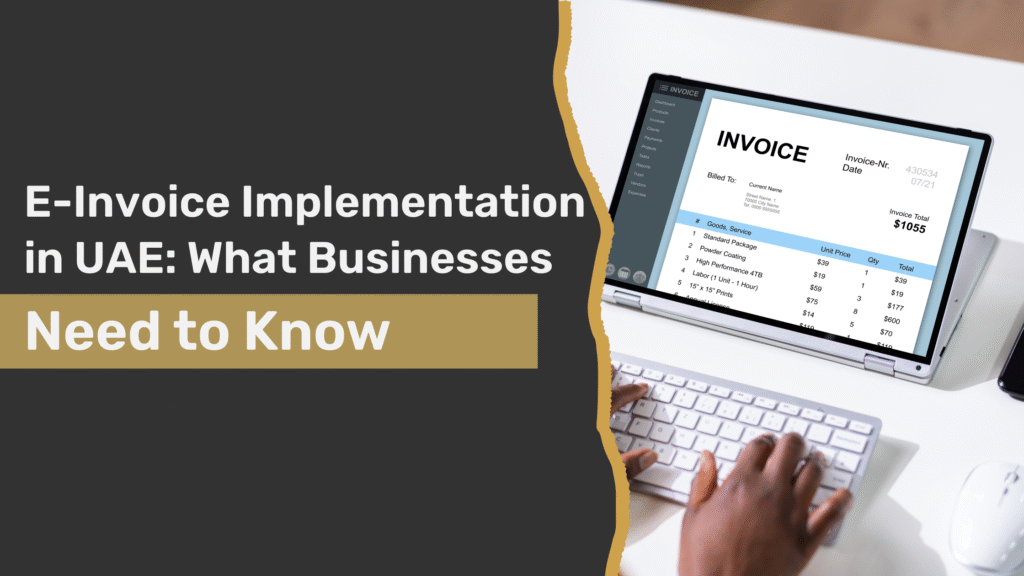
Digital transformation in the UAE is no longer optional, especially for invoicing. With mandatory e-invoicing approaching, businesses must understand how the system works, stay compliant, and leverage its benefits.
This comprehensive guide covers everything business owners need to know, including definitions, regulations, preparation steps, and real-world advantages of e-invoicing.
What Is E-Invoicing in UAE
E-invoicing is the creation, transmission, and storage of invoices in a structured digital format instead of paper or unstructured PDFs. Valid e-invoices must be machine-readable, follow UAE-approved standards like UBL or PINT-AE, and be transmitted through government-approved channels.
The main purpose of e-invoicing is to improve VAT compliance, reduce errors, increase efficiency, and create audit-ready records. It ensures invoices are standardized, transparent, and traceable for both businesses and the Federal Tax Authority.
How E-Invoicing Works
The UAE e-invoicing process follows a clear sequence to maintain compliance and efficiency:
Invoice Creation
Businesses generate invoices using their ERP, accounting, or billing software. All invoice data must adhere to the Ministry of Finance’s structured data dictionary.
Format Conversion
Invoices are converted into XML or JSON using UAE-approved standards such as PINT-AE or UBL.
Transmission via Accredited Service Providers (ASP)
Certified ASPs transmit invoices over the Peppol network to buyers and the FTA simultaneously.
Validation and Forwarding
The ASP validates all required fields and forwards the invoice to the buyer and FTA. Invalid invoices are rejected with error messages for correction.
Storage and Reporting
Invoices are securely stored by both the FTA and businesses. The FTA can use this data for VAT audits, compliance checks, and analytics.
How to Generate an E-Invoice
To issue e-invoices in the UAE, businesses should follow these steps:
Choose and Onboard an ASP
Select a Ministry of Finance-accredited service provider for invoice transmission.
Map Your ERP or Accounting System
Ensure all invoice fields such as seller and buyer TRNs, item descriptions, VAT rates, and totals match the UAE e-invoicing data dictionary.
Generate the Invoice in Structured Format
Create invoices in XML or JSON using UBL or PINT-AE standards.
Transmit via ASP
Send invoices in real-time or near real-time through your ASP and confirm successful delivery.
Archive and Store Securely
Maintain all invoices and credit notes electronically for auditing and compliance purposes.
UAE E-Invoicing Regulations
Mandatory e-invoicing in the UAE is governed by Federal Decree-Laws and Ministerial Decisions:
Legal Requirements
Amendments to VAT and tax procedures ensure invoices are structured and digitally transmitted.
Phased Adoption Timeline
- Large businesses must comply by early 2027
- SMEs must comply by mid-2027
- Government entities must comply by late 2027
Initial Exemptions
Certain B2C transactions are exempt in the first phase.
Compliance Enforcement
Non-compliant invoices, including PDFs or paper formats, will no longer be valid after enforcement.
Technical Standards and Requirements
File Format
Invoices must be generated in XML or JSON.
Data Standards
Use UAE-approved formats such as PINT-AE or UBL.
Mandatory Fields
Invoices must include seller and buyer details, TRNs, VAT rates, item descriptions, and totals.
Digital Signature
Invoices must be digitally signed to ensure authenticity and integrity.
Transmission and Archiving
Invoices must be sent in real-time or near real-time via accredited ASPs and stored securely according to FTA retention rules.
Step-by-Step Preparation Guide
Audit Current Invoicing Systems
Identify manual or paper-based workflows that are incompatible with e-invoicing.
Select an Accredited Service Provider
Choose an ASP certified by the UAE Ministry of Finance to handle invoice transmission, validation, and error management.
Upgrade ERP or Accounting Software
Ensure your software can generate structured invoices, digitally sign them, and transmit them automatically.
Train Staff
Educate finance, sales, and operations teams on mandatory fields, compliance rules, and error-handling procedures.
Conduct Pilot Testing
Run test batches to ensure invoices are transmitted successfully, validated by the ASP, and archived correctly.
Maintain Digital Archives
Securely store invoices and credit notes to comply with legal retention periods and enable easy access for audits.
Monitor Regulatory Updates
Keep track of any FTA announcements or updates to standards and deadlines.
Benefits of UAE E-Invoicing
Cost Savings
Reduces paper, printing, and manual entry expenses.
Faster Payments
Digital transmission accelerates cash flow.
Error Reduction
Automation reduces manual mistakes.
Compliance and Transparency
Standardized formats simplify VAT audits.
Real-Time Visibility
Track invoice status, validation, and payments instantly.
Enhanced Security
Digital signatures and encryption protect invoices.
Sustainability
Less paper usage contributes to eco-friendly operations.
Scalability
Systems can handle growth without additional manual work.
Additional Benefits for SMEs and Large Enterprises
Large enterprises benefit from reduced operational risks and streamlined audits, while SMEs gain efficiency, faster payment cycles, and the ability to compete effectively. Real-time reporting also provides actionable insights for better financial planning.
Choosing the Right E-Invoicing Solution
Key Considerations
- ASP accreditation
- Support for UAE formats (XML/JSON, PINT-AE, UBL)
- ERP or accounting system integration
- Real-time reporting and acknowledgment handling
- Secure storage and archival capabilities
- Built-in validation and error correction
- Scalability and ongoing technical support
AI Overview
UAE e-invoicing transforms VAT compliance with structured digital invoices. Learn key regulations, steps, and benefits to prepare your business for seamless adoption.
FAQs
What is e-invoicing in the UAE?
E-invoicing is the mandatory digital creation, transmission, and storage of invoices using structured formats such as XML or JSON.
Is e-invoicing mandatory?
Yes. The UAE phased mandate applies to VAT-registered businesses and government entities from 2026 to 2027.
Are B2C invoices included?
Initially, B2C transactions are exempt, with focus on B2B and B2G.
How do I generate an e-invoice?
Use an accredited ASP integrated with your ERP/accounting system to create and transmit structured invoices.
What happens if invoices are not compliant?
Non-compliant invoices may be rejected, disallow VAT claims, and incur fines or penalties.
How long must e-invoices be stored?
Invoices must be digitally archived according to UAE VAT retention rules, typically 5 to 7 years.
Can SMEs generate invoices manually?
No. All invoices must be transmitted digitally through a certified ASP.
Conclusion
UAE e-invoicing represents a major step toward a more transparent, efficient, and digital tax ecosystem. Businesses that prepare early can modernize workflows, reduce errors, improve cash flow, and ensure full compliance. Early adoption turns compliance into a competitive advantage, enabling companies to operate efficiently and scale seamlessly.
Dos Hermanos offers professional e-invoicing and compliance services to help your business stay ahead. Contact us today to ensure a smooth transition and full compliance with UAE regulations.
Explore More Expert Insights
- UAE Corporate Tax Guide – Complete reference for understanding corporate tax compliance in UAE.
- A Non-Resident Business Tax Compliance Guide for UAE – Key Steps for Fintech Firms to Ensure Regulatory and Cybersecurity.
- How Agentic AI Can Transform Your Tax Function – Discover how AI can streamline and optimize your tax processes.
- Input vs Output VAT: A Professional Guide for UAE Businesses – Learn about Input vs Output VAT for UAE Businesses.
- Why UAE Businesses Need Compliance-Focused Accounting – Understand the importance of accurate and compliant accounting practices.
- Transfer Pricing Tax Structuring Relief UAE – Explore strategies to optimize corporate tax liability in the UAE.